Mindfulness for Students: How to Handle Stress and Exams Better
Jan 27, 2026
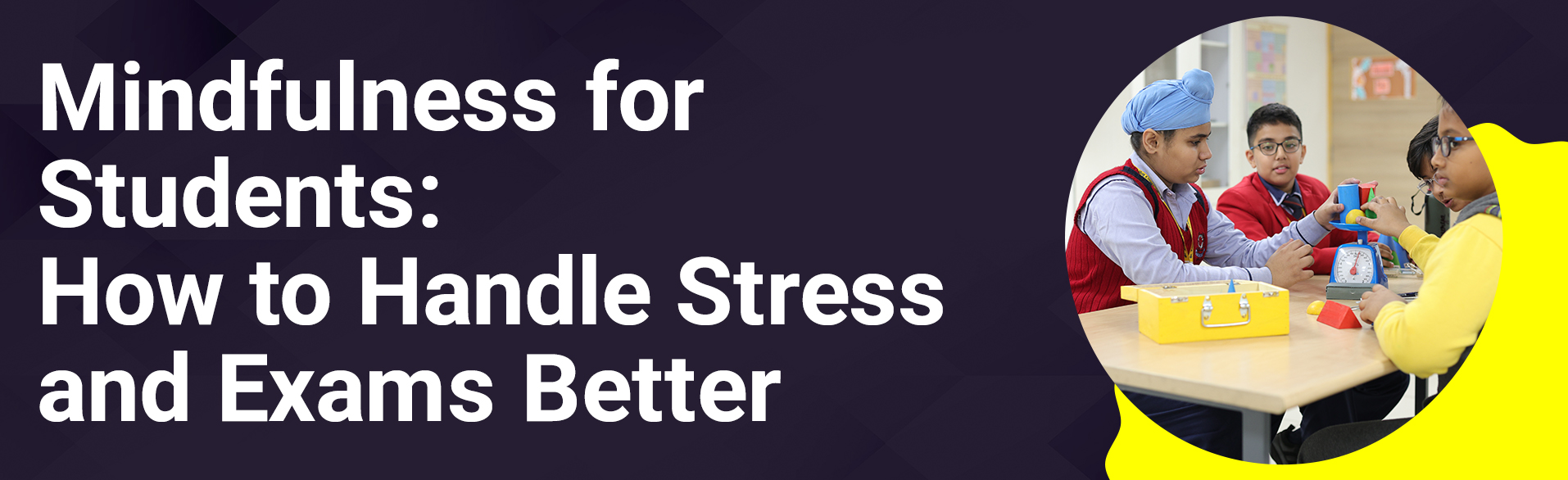
The school day rarely announces stress. It slips in through rushed mornings, heavy bags, and quiet self-doubt. Children often carry this weight silently. Parents notice changes in sleep, appetite, and confidence.
Many Gurgaon top schools respond with awareness and create steadier learners. This conversation matters because calm thinking supports academic growth. When schools listen carefully, students learn to manage pressure with dignity and trust.
Why Do Students Experience Academic Pressure In Gurgaon Top Schools?
Pressure grows when expectations feel unclear or when constant comparison dominates conversations. In Gurgaon top schools, students often balance academics, activities, and social identity within limited time. Clear routines and emotional grounding reduce this tension.
Children focus better when adults set stable rhythms and predictable responses. Teachers who pause before performance tasks allow minds to settle. This approach builds confidence without lowering academic standards.
How Can Classroom Structure Support Calm Thinking During Exams?
Classroom structure plays a quiet yet decisive role in how students think during exams. Predictable routines help children feel safe, which steadies their thinking under pressure. When teachers explain assessment steps clearly, students focus on tasks rather than hidden expectations.
Brief check-ins before exams allow students to settle nerves and organise priorities. Written instructions support memory, while visible time cues reduce panic linked to uncertainty. A calm classroom atmosphere limits distractions and emotional overload.
In such spaces, students recall information more easily and respond with confidence. Classroom structure, therefore, supports performance without adding pressure.
What Practical Habits Help Students Regulate Stress Before Assessments?
Healthy habits form quietly through repetition and adult modelling. Schools that teach regulation skills prepare students for lifelong challenges. These habits support focus and emotional steadiness during evaluations.
Short grounding activities before lessons help students transition from play to study.
- Breathing pauses reduce physical tension that blocks concentration.
- Reflection journals allow students to name concerns without judgement.
- Clear feedback cycles replace fear with understanding.
How Do Teacher-Student Relationships Shape Exam Confidence?
Trust between teachers and students influences how feedback is received. When students feel respected, they ask questions without embarrassment. Teachers who acknowledge effort guide improvement gently. This relationship reduces fear of mistakes. Students approach exams as opportunities to show learning rather than moments of judgement. Confidence grows through consistent encouragement paired with honest guidance.
Can Parental Involvement Reduce Exam-Related Stress At Home?
Parental tone often sets the emotional climate before exams. Calm conversations help children separate effort from outcomes. Families who focus on preparation rather than rank create safer spaces. Regular routines at home mirror school stability. Sleep, nutrition, and balanced expectations protect mental energy. Children perform better when home and school values align clearly.
Which School Practices Encourage Emotional Balance Without Diluting Rigour?
Good schools intentionally balance academic goals with emotional health. These practices remain embedded in daily routines rather than added programmes. They protect learning quality while supporting wellbeing.
- Consistent morning check-ins help teachers notice emotional shifts early.
- Clear communication policies prevent confusion around assessments.
- Inclusive participation methods encourage quiet students to engage confidently.
- Respectful discipline systems reduce anxiety linked to fear of mistakes.
How Does A Mindful Environment Influence School Admission In Gurgaon Decisions?
Parents considering school admission in Gurgaon often recognise emotional culture within moments of entering a campus. Calm corridors, attentive teachers, and settled students suggest thoughtful systems at work.
A mindful environment reflects care that extends beyond academic outcomes. It reassures families that children will receive support during pressure-filled periods. Such schools prepare students to approach exams calmly and manage personal transitions with confidence and emotional balance.
Why Do Balanced Learning Cultures Define The Best Schools In Gurgaon?
Balanced learning cultures define the best schools in Gurgaon because they protect long term growth rather than chasing short term results. These schools recognise that pressure without support weakens confidence. They treat stress management as a learned behaviour, taught through routines, reflection, and guidance.
Students practise resilience daily, not only during exam periods. When minds feel settled, attention improves and understanding deepens. Academic outcomes rise naturally as a result. This balance sustains performance across years, helping students remain consistent, focused, and emotionally steady as academic demands increase.
Conclusion
At St. Xavier’s High School Sector 89, mindfulness blends naturally into everyday learning. Teachers observe closely and respond thoughtfully. Classrooms value effort, patience, and mutual respect. Students learn to manage exams with confidence built over time. Parents recognise a culture that supports both achievement and emotional health. This approach nurtures capable learners who face challenges with calm strength.